
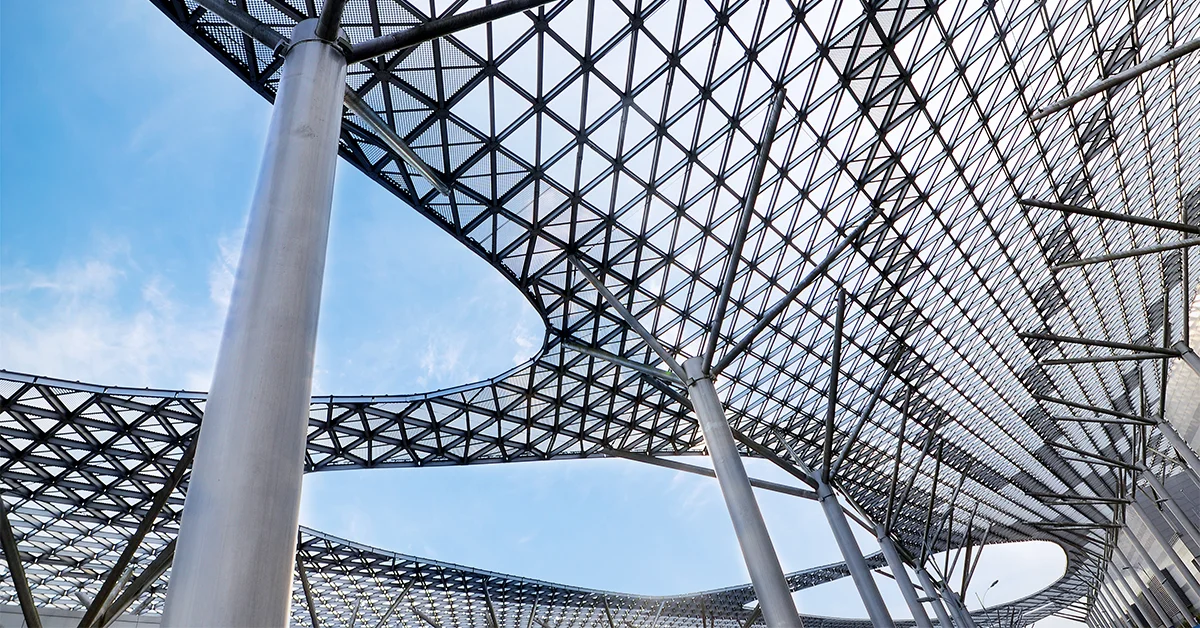
When you look at large buildings, bridges, warehouses, or stadiums, it’s easy to admire their size and beauty without thinking about what holds them together. Behind these impressive structures lies a powerful engineering concept known as metal trussing. This structural system plays a crucial role in supporting roofs, floors, and bridges while maintaining stability and strength.
Metal trussing has become a cornerstone of modern construction because it combines durability, efficiency, and flexibility in design. Engineers and architects rely on it to create structures that are not only strong but also lightweight and cost-effective. Whether it’s a massive industrial warehouse or a sleek modern building, metal trusses provide the framework that keeps everything secure.
we will explore what metal trussing is, how it works, its advantages, types, applications, and why it continues to shape modern architecture and engineering.
ALSO READ: Inside General Quarters 3 Airships And Their Tactical Role
Understanding Metal Trussing
Metal trussing is a structural framework made of metal members arranged in triangular units. These members are connected at joints to create a rigid structure that distributes loads evenly across the framework.
The triangular design is key. Triangles are naturally stable shapes that prevent bending and deformation. When forces such as weight, wind, or pressure act on the structure, the truss distributes those forces along its members, reducing stress on individual components.
Metal trusses are typically made from materials like steel or aluminum, which provide excellent strength while remaining relatively lightweight. Because of this balance, metal trussing is widely used in modern engineering projects.
How Metal Trussing Works
The effectiveness of metal trussing lies in how it handles forces. Each member in a truss is designed to either experience tension or compression.
Tension occurs when a member is being pulled apart, while compression occurs when it is being pushed together. By organizing the members strategically, engineers ensure that loads are transferred efficiently throughout the structure.
Here’s how the process works:
Loads from roofs, floors, or other structures are applied to the truss.
The triangular framework distributes the load across multiple members.
Some members handle tension while others handle compression.
The forces are transferred to the supporting columns or walls.
This method allows metal trusses to support large spans without requiring excessive material, making them both economical and structurally efficient.
Key Components Of A Metal Truss
A metal truss consists of several essential components that work together to create a stable structure.
Top Chord
The top chord forms the upper boundary of the truss. It usually experiences compression and helps support the roof or deck above.
Bottom Chord
The bottom chord forms the base of the truss and typically handles tension forces. It stabilizes the structure and keeps the truss from spreading apart.
Web Members
Web members connect the top and bottom chords. They form the triangular patterns within the truss and help distribute loads evenly.
Joints or Nodes
Joints are the points where members connect. In metal trussing, these connections are often made with bolts, rivets, or welding to ensure strong and durable links between members.
Common Types Of Metal Trusses
Metal trussing comes in several different designs, each suited for specific structural needs.
Pratt Truss
The Pratt truss is one of the most commonly used designs. In this system, diagonal members slope toward the center of the truss, making it highly effective at handling tension.
This type is widely used in bridges and long-span structures.
Warren Truss
The Warren truss features a repeating pattern of equilateral triangles. This design distributes loads evenly and uses fewer members compared to other truss types.
It is often used in both bridges and roof structures.
Howe Truss
The Howe truss uses diagonals that slope away from the center. Unlike the Pratt truss, the diagonal members handle compression forces.
This design has been widely used in railway bridges and heavy-load structures.
K Truss
The K truss is named for its distinctive K-shaped web members. This design reduces the length of compression members and improves structural efficiency.
It is commonly used in large industrial buildings.
Bowstring Truss
The bowstring truss features a curved top chord and straight bottom chord, resembling the shape of a bow. This design allows for wide spans without interior supports, making it ideal for large halls and hangars.
Advantages Of Metal Trussing
Metal trussing has become a preferred structural solution in modern construction because of its numerous benefits.
High Strength and Durability
Metal trusses, especially those made from steel, can withstand heavy loads and harsh environmental conditions. They are resistant to cracking, warping, and many structural failures.
Lightweight Structure
Despite their strength, metal trusses are relatively lightweight compared to solid beams. This reduces the overall weight of a building and simplifies transportation and installation.
Cost Efficiency
Because metal trusses use materials efficiently, they reduce construction costs. Less material is needed while still maintaining strong structural support.
Long Spans
Metal trussing allows buildings to span large distances without requiring many interior columns. This creates open spaces that are ideal for warehouses, stadiums, and commercial buildings.
Design Flexibility
Architects appreciate metal trusses because they allow creative designs and unique architectural shapes while maintaining structural integrity.
Applications Of Metal Trussing
Metal trussing is widely used across various industries and construction projects.
Residential Construction
Many modern homes use metal trusses to support roofs. They provide strength and allow builders to create spacious attic areas or vaulted ceilings.
Commercial Buildings
Shopping centers, office complexes, and large commercial facilities rely on metal trussing for strong and efficient roof systems.
Industrial Facilities
Factories and warehouses often require wide open spaces for equipment and storage. Metal trusses provide the long spans needed for these structures.
Bridges
Metal truss bridges are among the most iconic engineering structures. Their triangular framework distributes loads efficiently and allows bridges to span rivers and valleys.
Stadiums and Arenas
Large venues such as sports stadiums use metal trussing to support massive roof systems without obstructing views with interior columns.
Materials Used In Metal Trussing
Several metals are commonly used to construct trusses, depending on the project requirements.
Steel
Steel is the most widely used material for metal trussing due to its exceptional strength and durability. It can support heavy loads and withstand environmental stress.
Aluminum
Aluminum trusses are lighter than steel and resistant to corrosion. They are often used in temporary structures, stages, and exhibition setups.
Galvanized Metal
Galvanized metal is coated with zinc to prevent rust and corrosion. This makes it ideal for outdoor structures exposed to weather conditions.
The Role Of Metal Trussing In Modern Architecture
Modern architecture often emphasizes open spaces, unique shapes, and innovative design. Metal trussing plays a major role in making these ideas possible.
Architects can design buildings with large glass walls, expansive interiors, and dramatic rooflines because metal trusses provide the structural support needed for these ambitious designs.
In addition, metal trusses can be integrated into the visual design of buildings. Exposed trusses in industrial-style architecture create a modern and aesthetic appeal while still serving their structural function.
Installation And Construction Process
The installation of metal trusses requires careful planning and precision.
First, engineers design the truss system based on load requirements, building size, and environmental factors. Advanced software is often used to simulate how the truss will handle stress and pressure.
Next, the truss components are fabricated in a manufacturing facility where metal members are cut, shaped, and assembled.
Finally, the trusses are transported to the construction site and installed using cranes and specialized equipment. Once secured, they form the main structural framework of the building.
Maintenance And Longevity
One of the major advantages of metal trussing is its long lifespan. With proper maintenance, metal trusses can last for decades.
Regular inspections help identify potential issues such as corrosion, loose connections, or structural stress. Protective coatings and treatments can also be applied to extend the life of metal components.
Compared to other structural materials, metal trusses generally require minimal maintenance, making them a reliable long-term investment.
The Future Of Metal Trussing
As construction technology advances, metal trussing continues to evolve. Engineers are exploring new materials, improved fabrication methods, and innovative designs that increase strength while reducing weight.
Sustainable construction is also driving change in the industry. Recyclable metals and energy-efficient manufacturing processes are helping make metal trusses more environmentally friendly.
With the growing demand for larger, stronger, and more efficient structures, metal trussing will remain a vital element of modern structural design for years to come.
Conclusion
Metal trussing has proven itself as one of the most reliable and efficient structural systems in modern construction. Its unique triangular design allows structures to distribute loads effectively while maintaining strength and stability.
From homes and warehouses to bridges and stadiums, metal trusses provide the backbone that supports some of the world’s most impressive structures. Their durability, cost efficiency, and design flexibility make them a preferred choice for engineers and architects alike.
As technology and architectural innovation continue to advance, metal trussing will remain an essential component in building safe, strong, and visually striking structures. Its role in shaping modern infrastructure highlights just how important this engineering solution truly is.
FAQs
What is metal trussing?
Metal trussing is a structural framework made of metal members arranged in triangular patterns to distribute loads efficiently and support buildings, bridges, and large structures.
Why is metal trussing important in construction?
Metal trussing provides strong structural support while using less material. It allows buildings to span large spaces without requiring many interior columns.
What materials are commonly used for metal trusses?
Metal trusses are usually made from steel, aluminum, or galvanized metal because these materials provide strength, durability, and resistance to corrosion.
Where is metal trussing commonly used?
Metal trussing is widely used in residential homes, commercial buildings, warehouses, bridges, stadiums, and industrial facilities.
How long do metal trusses typically last?
With proper maintenance and protective coatings, metal trusses can last several decades while maintaining their strength and structural stability.
ALSO READ: Marble Saint: The Beauty And Mystery Behind The Timeless Figure

Daniel Harper is a skilled content writer specializing in technology and digital trends. At Saxby.org, he creates clear, well-researched, and trustworthy articles that help readers stay informed and make better decisions.