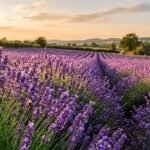
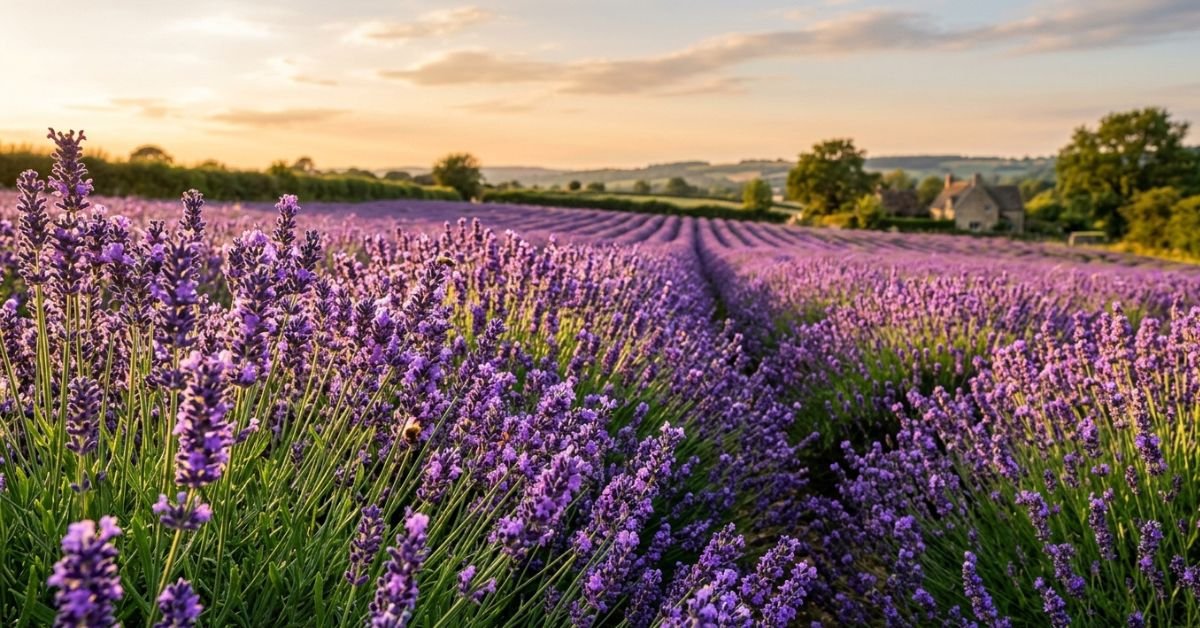
English lavender is a flowering perennial herb native to the Mediterranean region.Despite its name, it did not originate in England. The plant earned its common name because it became widely cultivated throughout English gardens and landscapes.
Key Characteristics
| Feature | Details |
|---|---|
| Botanical Name | Lavandula angustifolia |
| Common Name | English Lavender |
| Plant Type | Perennial Herb |
| Mature Height | 18–36 Inches |
| Mature Spread | 18–36 Inches |
| Sun Requirements | Full Sun |
| Soil Requirements | Well-Drained Soil |
| Bloom Season | Late Spring to Summer |
| USDA Zones | 5–9 |
| Drought Tolerance | High |
| Pollinator Value | Excellent |
Why English Lavender Remains So Popular
English lavender offers benefits that extend far beyond appearance.
Key Benefits
- Produces highly fragrant flowers
- Attracts bees and butterflies
- Tolerates drought once established
- Deer resistant
- Rabbit resistant
- Low maintenance
- Suitable for edible uses
- Valuable for essential oils
- Adds year-round garden structure
- Performs well in containers
Its combination of beauty and practicality makes it one of the most versatile plants available to gardeners.
Best English Lavender Varieties
Not all English lavender cultivars perform the same.
Munstead Lavender
One of the most reliable varieties.
Benefits include:
- Compact growth
- Excellent cold tolerance
- Early blooming
- Great for borders
Hidcote Lavender
Among the most popular choices.
Known for:
- Deep purple flowers
- Dense growth habit
- Strong fragrance
- Excellent dried flower production
Royal Velvet Lavender
Ideal for cutting gardens.
Features include:
- Long flower stems
- Rich purple blooms
- Exceptional fragrance
- Superior dried arrangements
How to Grow English Lavender Successfully
Sunlight Requirements
Lavender loves sunlight.
For best results provide:
- Minimum 6–8 hours daily
- Full sun exposure
- Open airflow around plants
Insufficient sunlight often leads to weak growth and reduced flowering.
Soil Requirements
The most important factor for success is drainage.
Ideal conditions include:
- Sandy soil
- Gravelly soil
- Loamy soil
- Slightly alkaline pH
Avoid heavy clay and consistently wet locations.
Watering Guidelines
Newly planted lavender requires regular watering while roots establish.
After establishment:
- Water deeply but infrequently
- Allow soil to dry between watering
- Reduce watering during cooler months
Overwatering remains the leading cause of lavender failure.
When Does English Lavender Bloom?
Bloom timing depends on climate and cultivar.
Typical flowering periods:
| Climate | Bloom Period |
| Mild Regions | Late Spring |
| Temperate Regions | Early Summer |
| Cooler Regions | Mid Summer |
Many varieties produce a second flush of flowers after pruning.
How to Prune English Lavender
Proper pruning extends plant lifespan significantly.
Spring Pruning
- Remove winter damage
- Shape plants lightly
After Flowering
- Cut back spent blooms
- Encourage repeat flowering
Annual Maintenance
- Remove approximately one-third of green growth
- Never cut into old woody stems
Proper pruning helps maintain a compact shape and prevents splitting.
Companion Plants for English Lavender
Lavender pairs beautifully with other drought-tolerant plants.
Best Companion Plants
- Salvia
- Yarrow
- Russian Sage
- Catmint
- Coneflower
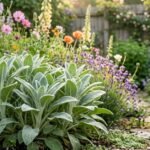
- Lamb’s Ear
- Sedum
- Rosemary
These plants share similar growing conditions and create visually striking combinations.
English Lavender vs French Lavender
| Feature | English Lavender | French Lavender |
| Scientific Name | Lavandula angustifolia | Lavandula dentata |
| Fragrance | Sweet | Stronger |
| Cold Tolerance | High | Moderate |
| Culinary Use | Excellent | Limited |
| Flower Appearance | Compact Spikes | Decorative Bracts |
| Winter Hardiness | Better | Less Hardy |
English lavender remains the preferred choice for culinary and medicinal applications.
Culinary Uses of English Lavender
One reason English lavender stands apart from other species is its edible flowers.
Popular uses include:
- Lavender tea
- Cookies
- Cakes
- Lemonade
- Honey infusions
- Herb blends
Its naturally sweet flavor makes it suitable for both savory and sweet dishes.
Pollinator Benefits
English lavender is among the best pollinator plants available.
Its nectar-rich flowers attract:
- Honey bees
- Native bees
- Butterflies
- Beneficial insects
According to pollinator conservation organizations, lavender consistently ranks among the most valuable ornamental plants for supporting bee populations. [Source: Xerces Society]
Common Problems and Solutions
Root Rot
Cause
Poor drainage and excessive watering.
Solution
- Improve soil drainage
- Reduce watering frequency
Leggy Growth
Cause
Insufficient sunlight.
Solution
- Move plants to a sunnier location
- Prune annually
Reduced Flowering
Cause
Excess nitrogen fertilizer.
Solution
- Avoid high-nitrogen feeds
- Use low-fertility soil
Myth vs Fact
Myth:
Lavender thrives in rich soil.
Fact:
Lavender performs best in lean, well-drained soil.
Myth:
English lavender only grows in cool climates.
Fact:
Many cultivars thrive across USDA Zones 5–9.
Myth:
More watering produces better flowers.
Fact:
Overwatering is one of the quickest ways to damage lavender.
Myth:
All lavender varieties are edible.
Fact:
English lavender is the preferred culinary species.
Statistics & Gardening Trends
Water-efficient landscaping continues to gain popularity worldwide.
Research from environmental landscaping initiatives shows drought-tolerant plants can significantly reduce outdoor water consumption compared to traditional ornamental plantings. [Source: EPA WaterSense]
Pollinator-friendly gardens are also expanding as homeowners seek ways to support declining bee populations. Lavender remains one of the most recommended perennial plants for these efforts. [Source: National Wildlife Federation]
EEAT Insight: Lessons From Experienced Growers
One pattern appears consistently in successful lavender gardens: the best plants are often those receiving the least intervention.
Gardeners frequently overwater, overfertilize, and overprotect lavender. In reality, English lavender evolved in dry Mediterranean conditions and performs best when provided with excellent drainage, abundant sunlight, and moderate neglect.
Many of the healthiest specimens grow in rocky soils where other ornamentals struggle.
Seasonal Care Calendar
Spring
- Prune lightly
- Remove winter damage
- Check drainage
Summer
- Enjoy blooms
- Harvest flowers
- Deadhead spent stems
Fall
- Reduce watering
- Clean debris around plants
Winter
- Protect from waterlogged soil
- Avoid heavy mulching around crowns
Frequently Asked Questions
Is English lavender a perennial?
Yes. English lavender is a perennial herb that returns each year in suitable climates and often lives for 10–15 years with proper care.
Does English lavender need full sun?
Yes. English lavender performs best with at least six to eight hours of direct sunlight daily and generally flowers more heavily in full sun locations.
Is English lavender edible?
Yes. English lavender is considered the best lavender species for culinary use because of its sweeter, less camphor-like flavor.
How often should I water English lavender?
Water regularly while establishing roots. Mature plants typically require infrequent deep watering and prefer soil that dries between watering sessions.
Does English lavender attract bees?
Absolutely. English lavender is one of the most valuable nectar-producing plants for bees, butterflies, and other beneficial pollinators.
How long does English lavender live?
With proper pruning, drainage, and sunlight, English lavender commonly lives between 10 and 15 years, sometimes longer in ideal conditions.
CONCLUSION
English lavender (Lavandula angustifolia) remains one of the most rewarding plants a gardener can grow. Its fragrant blooms, pollinator value, drought tolerance, culinary versatility, and timeless beauty make it a standout choice for herb gardens, cottage landscapes, and modern water-wise designs.
As gardeners continue prioritizing sustainability, biodiversity, and low-maintenance planting schemes, English lavender is likely to remain one of the most sought-after perennial herbs for years to come.
CLICK HERE FOR MORE BLOG POSTS

Noah is a passionate content writer at Saxby, known for creating engaging and informative articles across a variety of topics. With a keen eye for detail and a reader-focused approach, he delivers high-quality content that blends clarity, research, and practical insights. Noah consistently aims to provide value-driven content that resonates with a global audience.