
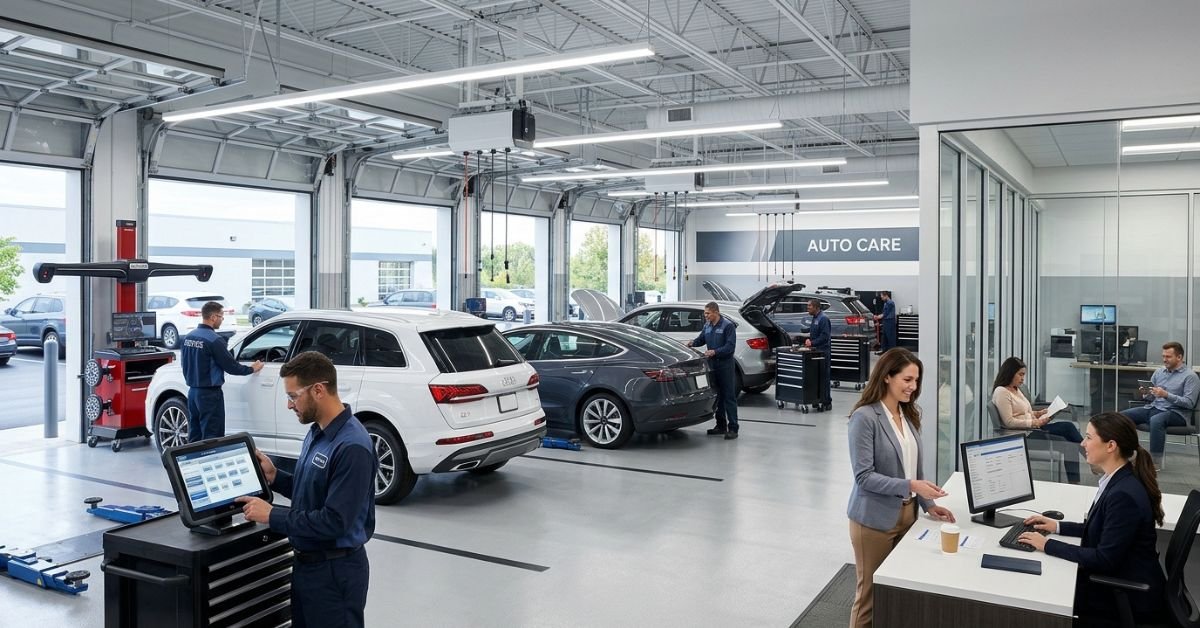
Electric vehicles reshape transportation, vehicle owners still need maintenance, tires, repairs, detailing, diagnostics, and specialty services.
That’s why automotive franchises remain one of the most resilient business categories.
Unlike trend-driven industries, automotive services are often necessity-based purchases. Drivers may delay upgrades, but they rarely postpone essential maintenance forever.
For entrepreneurs seeking recurring revenue and established systems, automotive franchising remains one of the most attractive business opportunities available.
What Makes a Great Automotive Franchise?
The best automotive franchise isn’t necessarily the cheapest.
Successful franchise investments typically share five characteristics:
Strong Brand Recognition
Customers already trust the brand.
Recurring Customer Demand
Services are needed repeatedly.
Franchise Support
Training, operations, and marketing assistance matter.
Market Scalability
Ability to open multiple locations.
Future-Proof Services
Adaptability to EV and hybrid vehicle growth.
Top Automotive Franchise Categories
Auto Repair Franchises
Examples:
- Meineke
- Midas
- Christian Brothers Automotive
Advantages
- High customer retention
- Recurring maintenance needs
- Diverse revenue streams
Oil Change Franchises
Examples:
- Jiffy Lube
- Grease Monkey
Advantages
- Fast service model
- Consistent demand
- Lower complexity
Tire Franchises
Examples:
- Big O Tires
Advantages
- Essential service
- Seasonal demand
- Upselling opportunities
Auto Detailing Franchises
Examples:
- Tint World
- Ziebart
Advantages
- Growing premium market
- Strong margins
- Vehicle protection demand
Car Wash Franchises
Examples:
- Express tunnel wash concepts
Advantages
- Subscription memberships
- Predictable cash flow
- Lower staffing needs
Best Automotive Franchise Brands Compared
| Franchise | Category | Investment Level | Brand Recognition | Growth Potential |
|---|---|---|---|---|
| Midas | Auto Repair | High | Strong | High |
| Meineke | Auto Repair | High | Strong | High |
| Jiffy Lube | Oil Change | Moderate-High | Excellent | High |
| Grease Monkey | Maintenance | Moderate | Strong | High |
| Christian Brothers Automotive | Repair | High | Growing | High |
| Big O Tires | Tire Services | High | Strong | Moderate |
| Tint World | Customization | Moderate | Growing | Very High |
| Ziebart | Vehicle Protection | Moderate | Strong | High |
| AAMCO | Transmission Repair | High | Excellent | Moderate |
Best Automotive Franchise by Investor Type
Best for First-Time Franchise Owners
- Grease Monkey
- Meineke
These systems provide structured support and established operating procedures.
Best for Multi-Unit Investors
- Jiffy Lube
- Midas
Strong scalability and recognizable brands.
Best for High-Growth Markets
- Tint World
- Vehicle protection franchises
Consumer demand for customization continues expanding.
Best Long-Term Opportunity
- General repair and maintenance franchises
Regardless of vehicle technology, maintenance remains necessary.
EVs and the Future of Automotive Franchising
One major factor many franchise buyers overlook is electrification.
Electric vehicles require:
- Tire replacements
- Suspension repairs
- Brake servicing
- Diagnostics
- Alignment services
However, they generally need fewer traditional oil-change services.
Forward-thinking franchise systems are investing in:
- EV technician training
- Advanced diagnostics
- Battery service capabilities
Future-ready investors should evaluate franchise adaptability carefully.
Franchise Startup Cost Breakdown
| Expense Category | Typical Cost Range |
| Franchise Fee | $20,000–$60,000 |
| Equipment | $50,000–$500,000+ |
| Real Estate | Varies significantly |
| Initial Inventory | $10,000–$100,000 |
| Working Capital | $20,000–$200,000 |
Actual investment requirements vary widely by franchise model and location.
Common Automotive Franchise Mistakes
Choosing Based on Brand Alone
Strong branding helps, but local market demand matters more.
Ignoring Territory Analysis
A great franchise in the wrong location can struggle.
Underestimating Working Capital
Many new owners focus only on startup costs.
Overlooking EV Trends
Future demand patterns should influence today’s investment decisions.
Myth vs Fact
| Myth | Fact |
| Automotive franchises are recession-proof. | They tend to be resilient but still affected by economic conditions. |
| Bigger brands always generate higher profits. | Location and operations often matter more. |
| EVs will eliminate repair franchises. | EVs create different service needs rather than eliminating maintenance entirely. |
| Automotive franchises require mechanical experience. | Many successful owners operate as managers rather than technicians. |
Automotive Industry Statistics
The average age of vehicles on U.S. roads continues to rise, increasing demand for maintenance and repair services. [Source]
Vehicle owners are keeping cars longer than previous generations, creating recurring opportunities for repair, tire, and maintenance businesses. [Source]
The automotive aftermarket industry remains a multi-billion-dollar sector supported by ongoing vehicle ownership and service needs. [Source]
Expert Franchise Insight
EEAT Perspective
After evaluating franchise systems across multiple industries, one lesson consistently stands out.
The highest-performing automotive franchise owners don’t buy businesses.
They buy systems.
The strongest franchise investments typically share:
- Proven operating procedures
- Strong franchisee support
- Marketing infrastructure
- Vendor relationships
- Scalable business models
The most common mistake is focusing exclusively on revenue projections while ignoring operational support quality.
Support often determines success more than the franchise category itself.
How to Evaluate an Automotive Franchise
Before investing, ask:
Financial Questions
- What are average unit revenues?
- What are average profit margins?
- How long is the payback period?
Operational Questions
- What training is provided?
- How many support staff exist?
Market Questions
- Is the territory protected?
- What local competitors exist?
Future Questions
- How is the franchise preparing for EV adoption?
Frequently Asked Questions
What is the most profitable automotive franchise?
Profitability depends on location, management, and market demand. Auto repair, tire services, and vehicle protection franchises often generate strong recurring revenue.
How much does an automotive franchise cost?
Startup costs can range from under $100,000 for some service concepts to more than $1 million for large repair facilities and car wash operations.
Are automotive franchises recession-resistant?
Vehicle maintenance is generally considered a necessity, making automotive services more resilient than many discretionary industries.
Can I own an automotive franchise without mechanical experience?
Yes. Many franchise owners focus on management, marketing, and operations while certified technicians perform repairs.
What automotive franchise benefits most from EV growth?
Franchises specializing in diagnostics, tires, suspension, detailing, and vehicle protection may benefit as EV adoption increases.
Is an auto repair franchise a good investment in 2026?
Many analysts view auto repair as one of the strongest long-term franchise categories due to aging vehicles and consistent maintenance demand.
CONCLUSION
The best automotive franchise isn’t the same for every investor.
Some entrepreneurs prioritize scalability and national branding. Others seek lower startup costs, recurring revenue, or exposure to growing segments such as vehicle protection and customization.
The key entities shaping the industry today include automotive repair, maintenance services, EV readiness, franchise support systems, customer retention, and recurring service demand.
CLICK HERE FOR MORE BLOG POSTS

Noah is a passionate content writer at Saxby, known for creating engaging and informative articles across a variety of topics. With a keen eye for detail and a reader-focused approach, he delivers high-quality content that blends clarity, research, and practical insights. Noah consistently aims to provide value-driven content that resonates with a global audience.